

Buying a new Ford in 2026 isn’t just about choosing the right model — it’s about choosing the right payment strategy.
With interest rates still elevated, incentives shifting, and vehicle prices stabilizing after years of volatility, many buyers are asking the same question:
Is it smarter to finance or lease a Ford in 2026?
The short answer: it depends on how you drive, how long you keep vehicles, and how strong your credit profile is.
This guide breaks down the real financial differences between Ford financing and leasing — without dealership fluff.

Ford Financing vs Leasing: Quick Comparison
| Category | Financing a Ford | Leasing a Ford |
|---|---|---|
| Ownership | You own the vehicle | You return it |
| Monthly payment | Higher | Lower |
| Mileage limits | None | Yes (10k–15k/yr) |
| Long-term value | Builds equity | No equity |
| Best for | Long-term owners | Short-term drivers |
Who Financing a Ford Makes Sense For in 2026
Financing is usually the better option if you:
- Keep cars 5–7 years or longer
- Drive above-average mileage
- Want freedom to sell or trade anytime
- Have good to excellent credit (680+)
💡 2026 insight: With loan terms stretching to 72–84 months, financing only works if you plan to keep the vehicle well past payoff.
Who Leasing a Ford Is Best For
Leasing works better if you:
- Want lower monthly payments
- Prefer driving a newer model every 2–3 years
- Drive predictable mileage
- Value warranty coverage at all times
⚠️ Leasing looks cheaper monthly — but penalties for mileage and wear are more aggressively enforced in 2026.
You will remain in the current site
How Ford Financing Works (Simple Version)
- Select your Ford model
- Apply for credit approval
- Choose loan term and APR
- Make monthly payments
- Own the vehicle outright
How Ford Leasing Works
- Choose lease term (24–36 months)
- Agree on mileage cap
- Pay depreciation + fees
- Return or buy at residual value
The Break-Even Point: When Financing Becomes Cheaper Than Leasing
At first glance, leasing almost always looks cheaper — until you look past year three.
In most 2026 scenarios, financing a Ford becomes the lower-cost option once you keep the vehicle longer than 4–5 years. That’s the point where:
- Lease payments would have restarted on a second vehicle
- Financing payments are close to ending
- Equity begins to replace monthly expense
📊 Buyers who finance and keep their Ford after payoff often cut their effective monthly cost in half compared to continuous leasing cycles.
Credit Impact Differences: How Each Option Affects Your Score
Financing and leasing both report as installment loans — but they affect your credit very differently over time.
Financing tends to help more because:
- The balance decreases steadily
- On-time payments build long-term history
- Loan completion strengthens credit mix
Leasing has limits because:
- The balance resets every 2–3 years
- You never reach a “paid-off” milestone
- Early termination can damage credit
💡 In 2026, buyers focused on credit growth and future borrowing power benefit more from financing than leasing.
Pros & Cons Overview
✅ Financing Pros
- No mileage restrictions
- Long-term cost advantage
- Ownership flexibility
❌ Financing Cons
- Higher monthly payment
- Interest costs over time
✅ Leasing Pros
- Lower upfront commitment
- New vehicle more often
❌ Leasing Cons
- Mileage penalties
- No ownership
👉 Next step: See which Ford financing or leasing option you qualify for based on your credit score.
You will remain in the current site

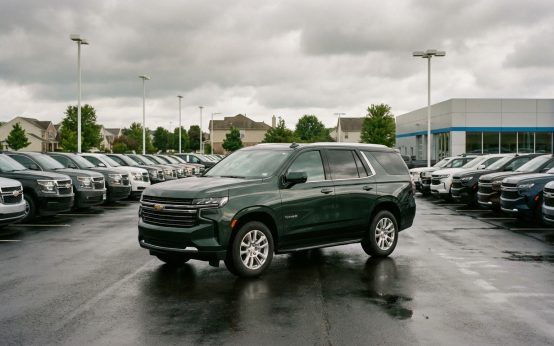 GM Financial in 2026: Financing or Leasing — Which Option Actually Makes Sense? <p class='sec-title' style='line-height: normal; font-weight: normal;font-size: 16px !important; text-align: left;margin-top: 8px;margin-bottom: 0px !important;'>Which GM Models Dominate Buyer Demand and Hold Value in 2026</p>
  Bank of America Auto Loans: $0 Down Options for Bad Credit (2026 Guide) <p class='sec-title' style='line-height: normal; font-weight: normal;font-size: 16px !important; text-align: left;margin-top: 8px;margin-bottom: 0px !important;'>When Bank of America makes sense — and when it doesn’t</p>
  DriveTime Auto Loans Review (2026): Is It Really the Best Option for Bad Credit Buyers? <p class='sec-title' style='line-height: normal; font-weight: normal;font-size: 16px !important; text-align: left;margin-top: 8px;margin-bottom: 0px !important;'>How DriveTime approvals work, what they really cost, and how to avoid long-term debt</p>